For property investors and developers ready to move beyond refurbishments and smaller projects
You Have Learned Property on Smaller Projects. Now It Is Time to Think Bigger.
Let me be direct with you. We only get one life, and it goes quickly.
If you are already putting your time, energy and emotion into property, you may as well learn how to use that same effort on a development with more zeros. Not by gambling on something you do not understand. By using the experience, contacts and judgement you already have—and learning what has to change when the project becomes bigger.
Your next step may be a conversion, an apartment scheme, a mixed-use development or a planning-led opportunity. The potential can be greater, but the decisions around control, planning, viability, funding and delivery have to fit together.
That is why I created the free Development Readiness Scorecard. It will help you see where an opportunity is strong, where it is exposed and what you need to test before you commit more time or capital.
Enter your full name and email to receive the scorecard and continue to the short video.
"During This LIVE Presentation
We'll Show You The Funnel AND Help You To Customize It For Yourself So You Can Start Generating More Of Your Dream Clients By The Time The Web-class Is Over!!!"
Starts Live
( NOTE: I'll Show You This New Software Feature LIVE, And Then Give You A Copy For FREE! )

Inside This FREE Presentation You'll Learn:


01:37 – How Dan Henry started using THIS exact webinar strategy to pay off his huge IRS bill.
17:12 – The exact stories you SHOULD use inside of your webinar to convert your audience into buyers.
44:05 – How Dan's client went from charging $1,500 to charging $1-$3 MILLION dollar contracts.
Watch the end of this video to get Dan's funnel installed directly into your ClickFunnels account.
Does Any of This Sound Familiar?
“This could be a good opportunity. But is it too big for me?”
You’ve handled smaller projects. You understand the work involved in a refurbishment, a conversion or a buy-to-let.
But looking at a larger building or development site feels different. There are more people involved, more money at stake and decisions you haven’t had to make before.
Part of you wants to go for it. Another part wonders whether you’re out of your depth.
You don’t want a lack of confidence to cost you an opportunity. You also need to know where confidence ends and proper preparation begins.
“I haven’t got the money to do this.”
Finding money for smaller deals has been difficult enough. Now you’re looking at a much larger commitment, wondering how much you would need yourself and where the rest could come from.
Would an investor consider it? Could a joint venture work? What would a lender need?
You can see potential in the property. You cannot yet see how to put the funding together.
“I wouldn’t know where to start with investors.”
You hear people talk about private investors, family offices and development finance. But who is suitable for your opportunity? What do they expect? How do you present something they can take seriously?
You don’t want to spend months approaching the wrong people. And you don’t want to finally get in front of a potential investor, only to discover that you weren’t ready for the conversation.
“How do I protect myself before I show anyone the deal?”
You found the opportunity. You spoke to the owner. You put in the groundwork. But you need other people involved to move it forward.
What if someone approaches the seller directly? What if your introduction leads to a deal, but you’re left out of it?
You want to bring the right people in without giving away the position you’ve worked to create.
“Will the seller believe I can actually deliver?”
The seller likes your proposal. Then come the questions. Where is the money coming from? Who is handling planning? What team do you have? When could you complete?
You want to answer confidently, without pretending that everything is already in place. You need a proposal you understand and can stand behind.
“What if the planning doesn’t work?”
The site looks promising. But what could realistically be approved? Should you pay for drawings and reports? Speak to a planning consultant? Negotiate terms first?
You don’t want to spend thousands pursuing an assumption that should have been questioned at the beginning. You want to understand what needs testing before you commit further.
“Who can I trust to help me?”
You know you need experience around you. But choosing the wrong partner or professional can create another problem.
Will they understand the opportunity? Are their interests aligned with yours? Are you paying for work that moves the project forward?
You want people who explain their thinking, understand their responsibilities and do what they have agreed to do.
“What am I missing in the numbers?”
The purchase price is only the beginning. Planning, professional fees, construction, finance, delays and selling costs all affect the outcome.
A spreadsheet can show a profit while relying on assumptions that haven’t been properly tested. You don’t want to discover the missing cost after you’ve committed.
You want to understand what happens if costs rise, the programme slips or the exit value falls short.
“What if the exit doesn’t work?”
Who will buy, occupy or refinance the finished development? What will they expect? What might they pay? How long could it take?
And how does that affect the funding, the design and the deal you agree today?
You want to know that the route out has been considered before you commit to the route in.
“Everyone needs something from me. I don’t know what comes first.”
The lender wants more information. The cost consultant needs a clearer design. The architect needs decisions. The seller wants progress.
You’re trying to coordinate everyone while still working out the process yourself. You’re busy, but the opportunity doesn’t feel any closer.
You need to identify what is holding it back and which decision will unlock the next stage.
“Am I about to give away more than I need to?”
Someone has offered to take the opportunity forward. That feels reassuring. But you’re unsure what a fair arrangement looks like.
Should you take an introduction fee? Stay involved? Participate in a joint venture? What would each option mean for your responsibilities, your risk and your potential return?
You want to understand your position before agreeing to something you may later regret.
“I don’t want to look back and wish I’d done something with it.”
Walking away might feel easier today. But you can imagine seeing someone else progress the site and wondering whether you could have been part of it.
Equally, you don’t want enthusiasm to pull you into the wrong deal.
You need a sound basis for deciding whether to proceed, change the approach or move on.
You Can Spend Years Working Hard on Small Deals—and Still Never Build the Platform for the Next Level.
You may have completed a refurbishment, converted an office or built a small portfolio. That experience matters. It has taught you how to assess property, manage costs, solve problems and get things finished.
But let me ask you something: how long do you want to keep competing for the same small opportunities as every new investor entering the market?
You can put months of work and the same emotional energy into a small project, finish it, and then start from zero again. Or you can begin learning how to direct those disciplines towards a carefully selected development where the numbers are more meaningful.
That does not make a bigger project easy. It does not remove risk or competition. It means you need more credibility, better structure, the right capital and sharper decisions.
But we have only got a short time on this earth. You do not want to get older and think, “I wish I had tried. I wish I had looked at the bigger opportunity. I wish I had made more of the experience I already had.”
We only get so much time. If the core effort and discipline are comparable, I would rather direct them at a well-selected development with more zeros—provided I understand the risk and have the right people around me.
So the question is not simply, “How do I find a bigger deal?” It is, “How do I become ready to recognise, control, fund and deliver the right one?”

Five Decisions Have to Work Together Before You Move Forward.
This is where people often get carried away. They see the headline number and fall in love with the opportunity before testing what is underneath it.
I want you to do the opposite. Use the Development Readiness Scorecard to test five connected decisions before enthusiasm becomes an expensive commitment.
1. CONTROL — Can you secure enough time and protection to investigate the opportunity without taking unnecessary risk?
2. PLANNING — What is genuinely permitted, what remains uncertain and what evidence supports the planning strategy?
3. VIABILITY — Do the costs, programme, contingency and exit still work when your assumptions are stress-tested?
4. FUNDING AND INVESTOR FIT — Is the opportunity structured in a way the right capital partner can understand, test and support?
5. DELIVERY — Do you have a credible team, procurement route and sequence of decisions to take the project from opportunity to completion?
The scorecard will help you identify your weakest area and decide whether to stop, hold, investigate or progress—before enthusiasm becomes an expensive commitment.
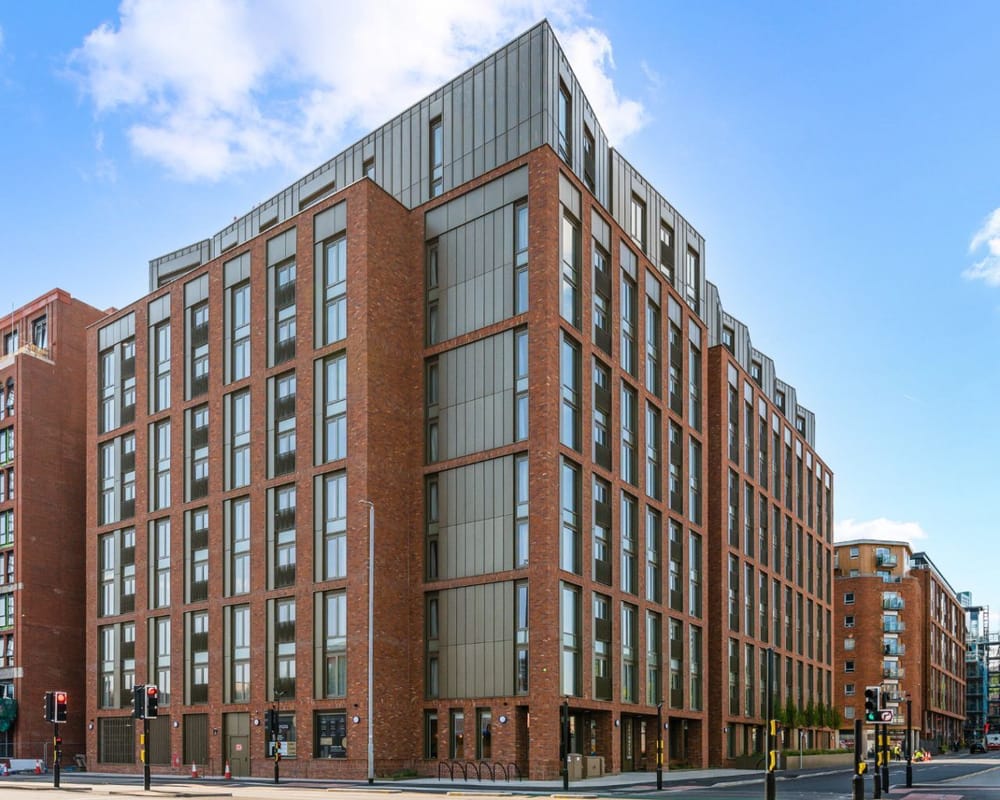
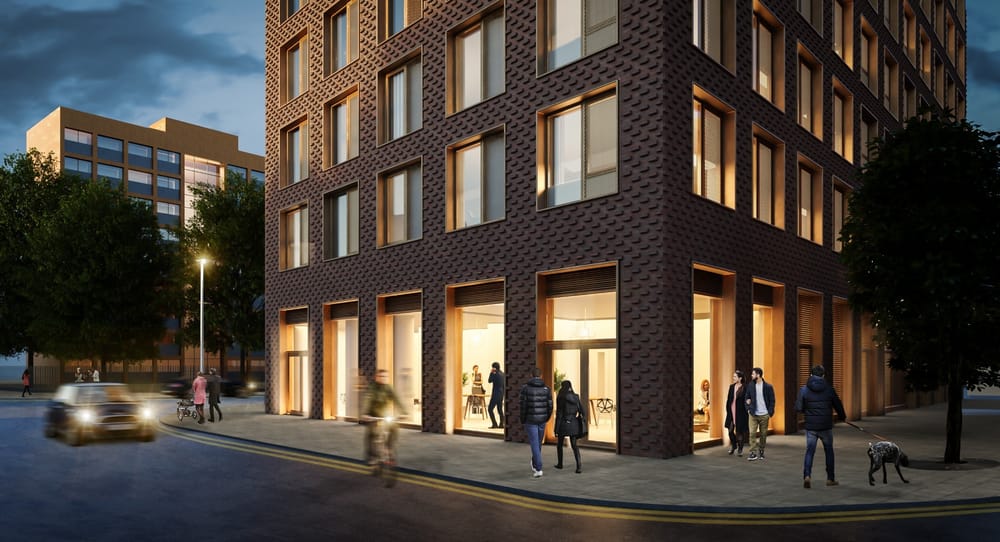
Large Build-to-Rent Development, Northern England | Development Consultancy
"During This LIVE Presentation
We'll Show You The Funnel AND Help You To Customize It For Yourself So You Can Start Generating More Of Your Dream Clients By The Time The Web-class Is Over!!!"
Starts Live
( NOTE: I'll Show You This New Software Feature LIVE, And Then Give You A Copy For FREE! )
Build on the Experience You Already Have.
Your smaller projects have given you a foundation. You’ve made decisions, dealt with problems and taken responsibility for getting work done.
Moving into larger developments means building on that experience and recognising where you need more depth.
Drawing on someone else’s experience can help you spot issues earlier, avoid unnecessary detours and focus your effort where it matters.
My Own Journey Started With Buy-to-Lets in 2002.
From Houses and Refurbishments to Institutional-Scale Developments.
I would buy houses, refurbish them, remortgage, release the capital and use it to buy the next one. Then I moved into smaller developments of around 20 to 25 apartments. I was learning, progressing and putting more zeros onto the projects—but then the 2008 crash changed the market and changed the way I thought.
I began moving away from relying so heavily on lenders and short-term debt. I started working with private investors, their portfolios and their assets. That is when the point really landed for me: if a larger, properly structured project could produce a more meaningful outcome, why keep directing all of my effort towards the smallest opportunities?
Working with the right equity partners could, in the right circumstances, reduce the dependence on high-pressure bridging finance and highly leveraged debt. It did not remove risk. Larger projects bring greater absolute planning, capital and delivery exposure. But it gave me another way to structure opportunities and scale beyond what I could do alone.
Since those early buy-to-lets, I have worked through very different parts of the property cycle—from the 2008 crash and distressed sales to stronger markets and institutional investment. I have sourced sites, secured planning, assembled teams, worked through funding structures, procured contractors, led development delivery and sold completed units.
I did not wake up one morning knowing how to take a large scheme to an investment committee, amend a major planning permission or procure a two-stage building contract. I progressed by using what I already knew, recognising what I did not know and bringing the right specialists around the table.
Your experience is not wasted because your previous projects were smaller. It is the foundation. The next step is learning which skills transfer, which gaps have to be filled and how to make yourself credible to sellers, consultants, contractors and investors operating at a higher level.
And there is a wider reason I want to share this. The UK needs more homes. There are people already completing refurbishments and smaller projects who have the ambition to build more—but need a clearer route to the next level. If hard-won experience can help more capable people progress and create more housing, it should be shared.
You still make the decisions. You have more experience to draw on when making them.
My experience includes developing through my own business, participating in joint ventures, working within development teams and representing investors.
Let Me Show You What Progression Looks Like in Practice.
Large Residential Schemes, Northern England
Working as a development consultant within wider project teams, my experience includes substantial apartment developments with hundreds of homes.
My involvement has included site sourcing, acquisition support and work on the development approach, considering design, construction efficiency and the requirements of rental housing.
If a larger site feels beyond your experience, this is why the connections between acquisition, design, delivery and the intended occupier matter from the outset.
Residential Land and Planning, North West England
Through my property business, we acquired a site, secured planning permission for a substantial apartment scheme and sold the consented land.
If planning uncertainty is holding you back, the first question is what needs testing before you commit further. Understanding the planning opportunity and the appropriate point to exit can shape the whole approach.
Student Accommodation Opportunity, Northern England
My involvement includes ownership, directorship and joint venture participation, together with acquisition, detailed planning engagement and work with a specialist student accommodation partner.
The opportunity was progressed through planning and partnership, securing permission for a substantial student accommodation scheme.
When you need other people to move a deal forward, the partnership, responsibilities and commercial terms deserve as much attention as the property itself.
Office-to-Residential Conversion, Southern England
Acting on behalf of an overseas client, we acquired a vacant office, secured permission for residential conversion, oversaw the refurbishment and sold the completed apartments.
If you are unsure how the stages fit together, this experience connects acquisition, planning, delivery oversight and exit within one project.
Residential Development, North West England
Through my property business, we acquired a site with planning permission, completed construction and sold the apartments.
Planning permission is an important milestone. Understanding what it takes to turn that consent into completed homes and sales is the next challenge.
Partially Completed Commercial Development, North West England
We acquired an unfinished office development from administration, completed the construction and sold the units. Taking over an unfinished project means understanding what you are inheriting, what remains to be done and whether there is a workable route to completion.
Former Mill Conversion, North West England
We acquired a former mill and completed its conversion into residential apartments. Existing buildings bring their own constraints. The opportunity depends on understanding how a proposed new use can work commercially and practically.
Commercial and Industrial Portfolios, UK
Acting on behalf of investors, we acquired commercial property portfolios, including a multi-property portfolio purchased from a private equity fund. The work extended beyond acquisition into tenant negotiations, lease restructuring and active asset management.
Complex Office Development Opportunity, Southern England
My consultancy involvement included working with shareholders on the planning and commercial route for a partially built office site. My role was to represent shareholder interests, distinct from owning or constructing the completed development.

Sometimes Progress Comes From Looking at the Deal Differently.
An Opportunity That Needed a Funding Solution
A fellow developer had an opportunity but lacked the funding to take it forward. One option was to accept an introduction fee and step away.
By examining the funding requirements and the deal structure, we brought an investor into the opportunity and agreed an arrangement that allowed the developer to remain involved and participate in the profit.
The opportunity needed more than an introduction. It needed a workable structure.
An Agreed Sale That Encountered a Funding Gap.

I was selling a site to an institutional buyer, subject to planning.
Planning was approved, but the buyer then faced a funding gap that threatened completion.
I worked with the buyer to help raise the funds needed, allowing the transaction to complete on time.
Even after terms are agreed and planning is secured, a transaction can still need practical work to get it over the line.
Experience You Can Relate to Your Own Decisions.
A Bigger Opportunity Can Start With a Clearer Next Step.
Perhaps you already have a site in mind.
Perhaps you keep looking at larger opportunities, then stepping back because you cannot see how you would secure them, fund them or bring the right people together.
You don’t need to pretend you have every answer.
You can start by understanding the questions, drawing on experience and seeing what a sensible next step could look like.
Watch my short introduction to hear my perspective and decide whether a conversation about your situation would be useful.

Take a Clearer View of What Could Come Next.
Enter your full name and email to watch the short introduction. Then decide whether you would like to discuss your situation.